
The Modelling Trap: Are You Meeting Your Duty of Care when using 3D Modelling in Construction?
By Eleanor Bock
| How could use of 3D modelling put you at legal risk? In this newsletter we will explore the implications of consultancy imperfections arising from a lack of skill and overreliance on 3D computer modelling by consultants. Continue reading to learn how the law (in NSW and the ACT) demonstrate that failure to undertake appropriate modelling or to interpret modelling correctly can mean a breach of the duty of care owed by designers and consultants. In short, 3D modelling is great to use and efficient, so long as you don’t over rely on it or let it lead to a failure to exercise reasonable care on your part. |
How does legislation impact 3D modelling in consultancy?
For starters, it depends on the legislation.
In New South Wales construction consultants are primarily governed by the statutory duty of care imposed by the Design and Building Practitioners Act 2020 (NSW) and the National Construction Code. If this is you, you have the duty to exercise reasonable care to avoid economic loss caused by defects arising from construction work.
In the ACTconstruction consultants are subject to the ACT Building Act, the National Construction Code, and the Work Health and Safety Legislation. The WHS laws require that persons conducting a business, such as construction consultants, ensure,so far as is reasonably practical, the health and safety of workers and others. Overreliance on modelling could breach these duties if it resulted in unsafe or defective outcomes.
In essence, there is no explicit prohibition of overreliance on 3D computer modelling for construction consultants. However, overreliance could lead to a failure to meet the requirements set out by legislations and cases due to a lack of careful human thought and process.
Have individuals been found liable for their consultancy imperfections arising from 3D modelling?
In UGL Rail Pty Ltd v Wilkinson Murray Pty Ltd the New South Wales Supreme Court emphasised the importance of exercising reasonable care and skill, including the proper use of available modelling techniques. This was after finding the consultant negligent for making recommendations to UGL Rail without conducting adequate modelling or testing, and for presenting those recommendations as reliable when they were not.
In SafeWork NSW v S & T Services Pty Ltd the court found that designers and structural engineers should have undertaken non-linear finite element modelling prior to a crane collapse incident. This failure to carry out adequate calculations and analysis – which could’ve been done using computer modelling – was pleaded as a breach of the statutory duty under the WHS Act 2011 (NSW). Therefore, the court supported the use of computer modelling saying it was needed on top of hand calculations.
Urquhart v Hayman (No 2) outlines the importance of expert advice to provide independent judgement in the assessment of structural integrity. While it does not specifically compare this advice to 3D modelling, an overreliance on it could be concluded to be lacking adequate expert advice.
Therefore, while no case has specifically addressed the potential liability of a consultant’s overreliance on 3D modelling, mention has been made to a need for “adequate computer modelling” (Safework NSW v S & T Services). This gives us insight to the fact that an overreliance on modelling that resulted in a safety or other risk potentially being overlooked may well result in the consultant’s liability.
What this means for the Building and Construction Industry
3D modelling is a powerful aid for the building and construction industry, but these cases show that it cannot be a substitute for your professional judgement. Your liability will turn on whether you exercised reasonable car and skill in both your use and interpretation of modelling. This may include knowing when more modelling is required or not. Overreliance on digital tools may expose consults to claims or economic loss or safety breaches.
If you have any questions about the legal implications of your 3D computer modelling in building and construction consultancy or other consultancy questions, our experts at Crisp Law are here to assist.
Contact Crisp Law for advice and information:
Telephone: +61 2 8042 8701
Email: admin@crisplaw.com.au
References
Design and Building Practitioners Act 2020 (NSW)
National Construction Code 2022 (Cth)
Building Act 2004 (ACT)
Work Health and Safety Act 2011 (ACT)
UGL Rail Pty Ltd v Wilkinson Murray Pty Ltd [2014] NSWSC 1959
SafeWork NSW v S&T Services Pty Ltd [2021] NSWDC 140
Urquhart v Hayman (no 2) [2012] NSWLEC 269
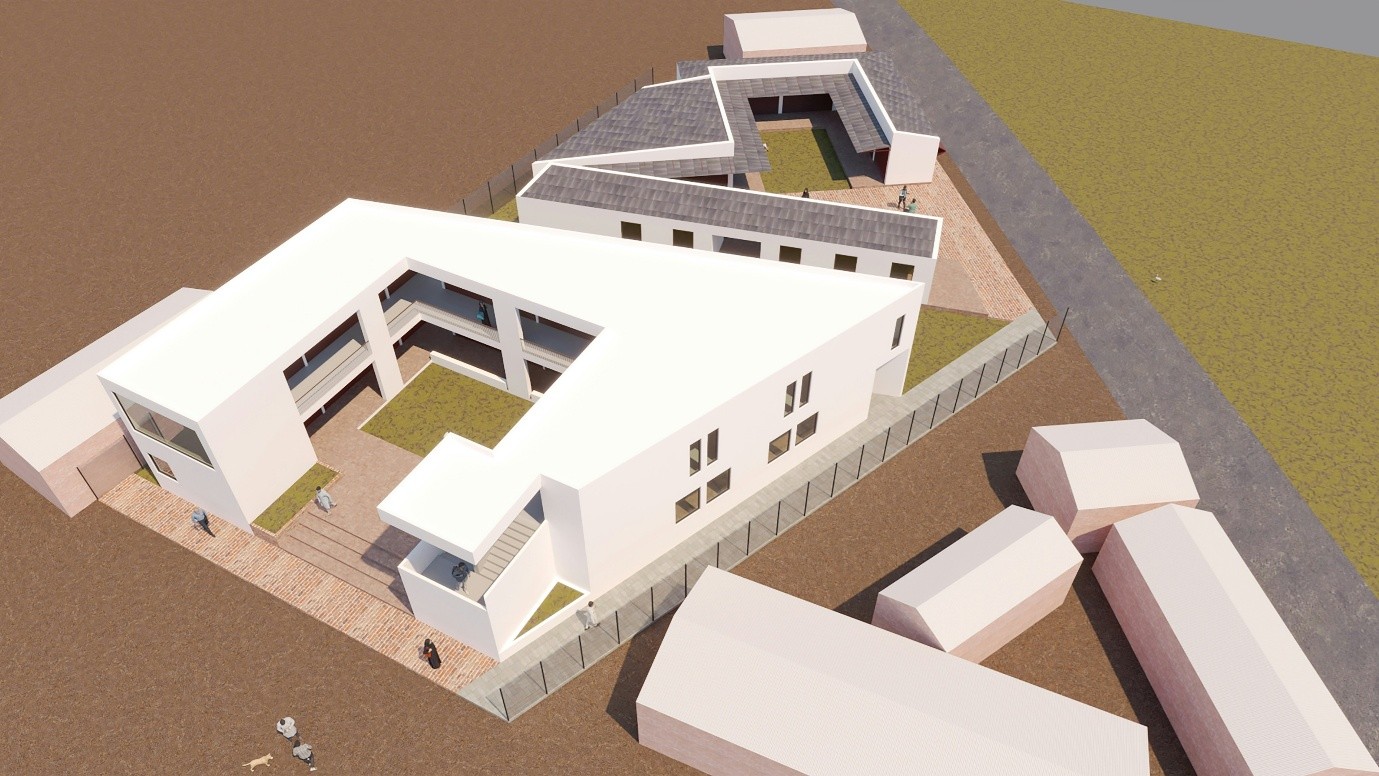
Photo by Studio Archifiction on Unsplash
