
Rights, Rivers and Rulings: When Nature Joins the Legal System
By James Fitzgibbon
The Rights of Nature
The Rights of Nature is a legal concept that seeks to extend legal protection to natural and non-human systems and entities. In the face of collapsing biodiversity and rising extinction rates, courts and legislatures globally have shown increasing support for recognising the Rights of Nature as a means to balance the use and development of the natural environment with its conservation and preservation. Today, many countries recognise the Rights of Nature. For example, the Republic of Ecuador, in its 2008 Constitution, became the first country to acknowledge the natural world’s “right to integral respect for its existence and for the maintenance and regeneration of its life cycles, structure, functions and evolutionary processes.”
The Aotearoa New Zealand Model
Aotearoa New Zealand is perhaps the world’s leading jurisdiction in recognising the Rights of Nature. In 2017, the Te Awa Tupua (Whanganui River Claims Settlement) Act became law, granting legal personality to the Whanganui River. The river was afforded ‘all the rights, powers, duties, [and] liabilities of a legal person’, exercised on its behalf by the local Māori iwi and hapu, who may initiate legal proceedings to protect the river if it is damaged or polluted. Other non-human entities and natural systems in Aotearoa New Zealand that have been granted legal personhood include Mt Taranaki and the Te Urewera forest.
Rights of Nature in the Australian Context
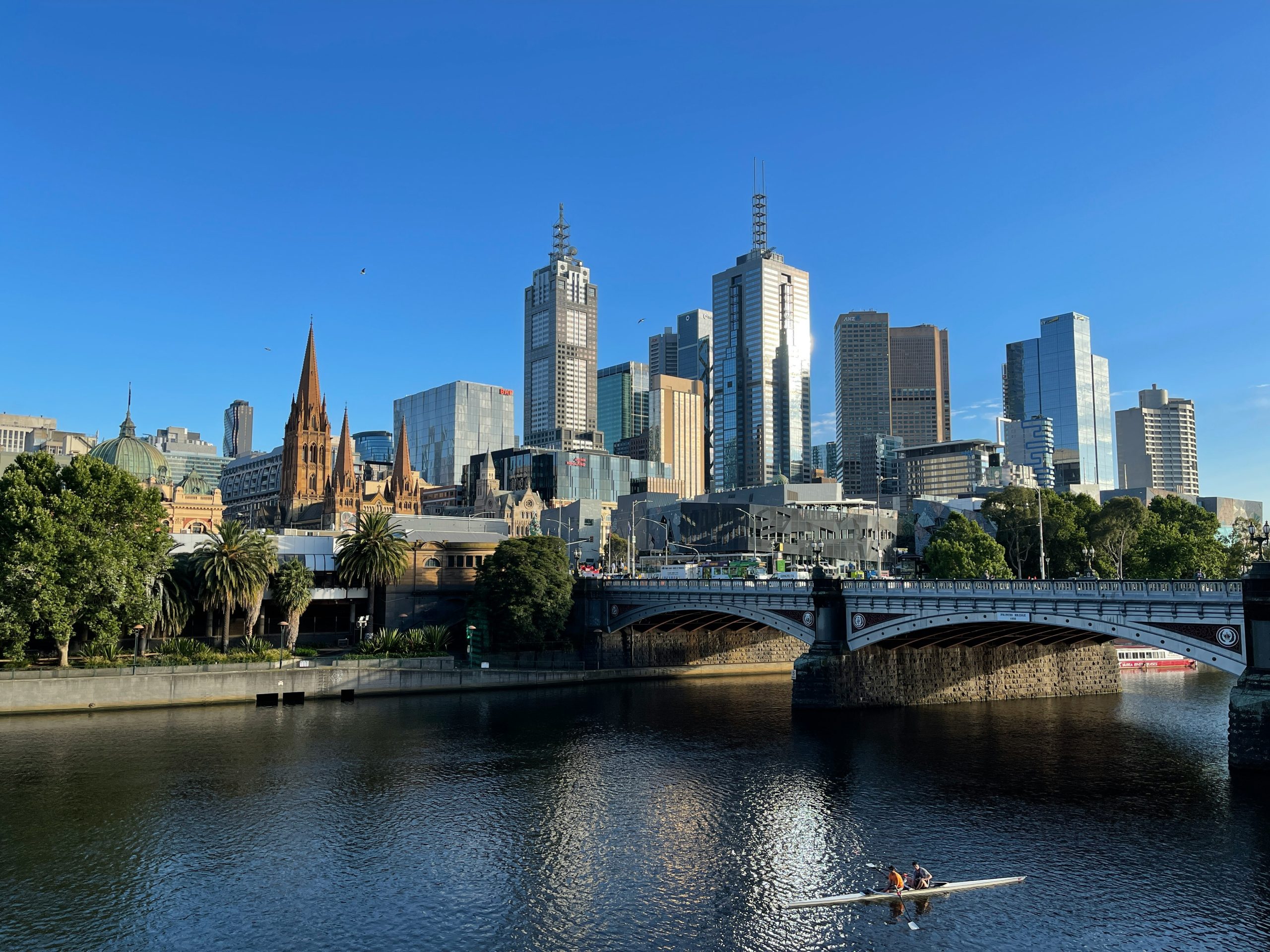
In Australia, legislative support for the Rights of Nature is most evident in Victoria, where the State Parliament declared the Yarra/Birrarung River a living entity through the Yarra River Protection (Wilip-gin Birrarung murron) Act 2017. While the Act is notable as the first Australian law to acknowledge nature’s inherent right to exist and thrive, it does not grant the river legal standing in the same way as the Whanganui River. It cannot commence legal proceedings against parties that pollute or damage it. Instead, the Act established the Birrarung Council as an independent statutory advisory body and introduced the Yarra Protection Principles to guide the river’s governance. In practice, the Act coordinates the management of 14 public entities responsible for the river’s 240km stretch, from the Yarra Ranges to Port Phillip Bay. These entities must consider the Principles and the river’s status as a living entity when exercising their powers over Yarra/Birrarung River Land.
What this means for the Building and Construction Industry
The ramifications of declaring the Yarra/Birrarung as a living entity for the building and construction industry are best seen through amendments to planning controls along the river. Amendment VC197 permanently updated existing Design and Development Overlay and Significant Landscape Overlay provisions across multiple planning schemes along the river to introduce:
- Mandatory height limits between 6 and 25 metres along the Yarra River from Richmond to Warrandyte;
- Minimum setbacks where no new development is permitted;
- Requirements for developments within 100 metres of the riverbanks to be referred to Melbourne Water for assessment of impacts on landscape protection, siting and design, as well as site coverage and permeability.
Upon review of how Amendment VC197 affected the development approval process, it was found that councils had greater scope to scrutinise development along the Yarra River, issuing permits with conditions to promote better environmental, amenity and community outcomes, as well as the ability to refuse permits altogether.
Currently, Victoria is the only state in Australia to recognise the Rights of Nature in a meaningful way, with the State Parliament also passing the Great Ocean Road and Environs Protection Act 2020 (Vic), which similarly declared the Great Ocean Road and its surrounding environment a living and integrated natural entity. It is also worth emphasising that, beyond the related planning restrictions associated with these Acts, Victorian laws mandate Indigenous representation on the Birrarung Council and reflect the Indigenous caring for Country model of environmental management. These laws therefore serve the dual purpose of conservation and advancing reconciliation with Indigenous Australians.
Expanding Influence of the Rights of Nature Movement
Given the novelty of the Rights of Nature movement, these Acts are likely to set important legislative precedents for other jurisdictions, particularly regarding greater inclusion of the Indigenous caring for Country model in environmental and planning policy. At the local government level, councils have begun adopting policies aligned with these principles. For example, in 2021, Blue Mountains City Council in NSW released its Community Strategic Plan 2035, embedding Rights of Nature principles. Similarly, in 2023, the Shire of Augusta Margaret River in WA introduced an Overarching Sustainability Policy that requires due regard for the “rights of nature to exist, thrive and evolve” alongside the “needs, rights and wisdom of Traditional Custodians” in decision making.
Key Takeaways
As public demand for conservation grows and momentum builds globally to recognise the Rights of Nature, market sectors that directly impact the natural environment, such as the building and construction industry, will face increasing legal liabilities arising from similar laws and evolving development standards.
For building and construction firms, the expansion of the Rights of Nature across Australia at both State and Local Government levels will introduce new obligations during the design and planning stages. While the practical effects remain to be seen, firms should prepare their governance and operational frameworks to focus more on:
- Community engagement: demonstrating greater consideration of community preferences where developments are located
- Siting and design: assessing how a development’s location, design, materials and finishes impact surrounding public open spaces and natural landscapes
- Indigenous perspectives: engaging with Indigenous leaders and communities to incorporate features and principles of the caring for Country model
If you have any questions about the Rights of Nature movement or environmental planning legislation in Australia, our experts at Crisp Law are here to assist.
Contact Crisp Law for advice and information:
Telephone: +61 2 8042 8701
Email: admin@crisplaw.com.au
References
Ecuador’s Rights of Nature: A New Legal Momentum? – JHULR
New Zealand Te Awa Tupua (Whanganui River Claims Settlement) Act 2017 – Eco Jurisprudence Monitor
New law finally gives voice to the Yarra River’s traditional owners | Landscape Australia
Yarra River Protections Made Permanent | Trust Advocate
Great Ocean Road and Environs Protection Act 2020
Blue Mountain Australia City Council Declaration on Rights of Nature – Eco Jurisprudence Monitor
